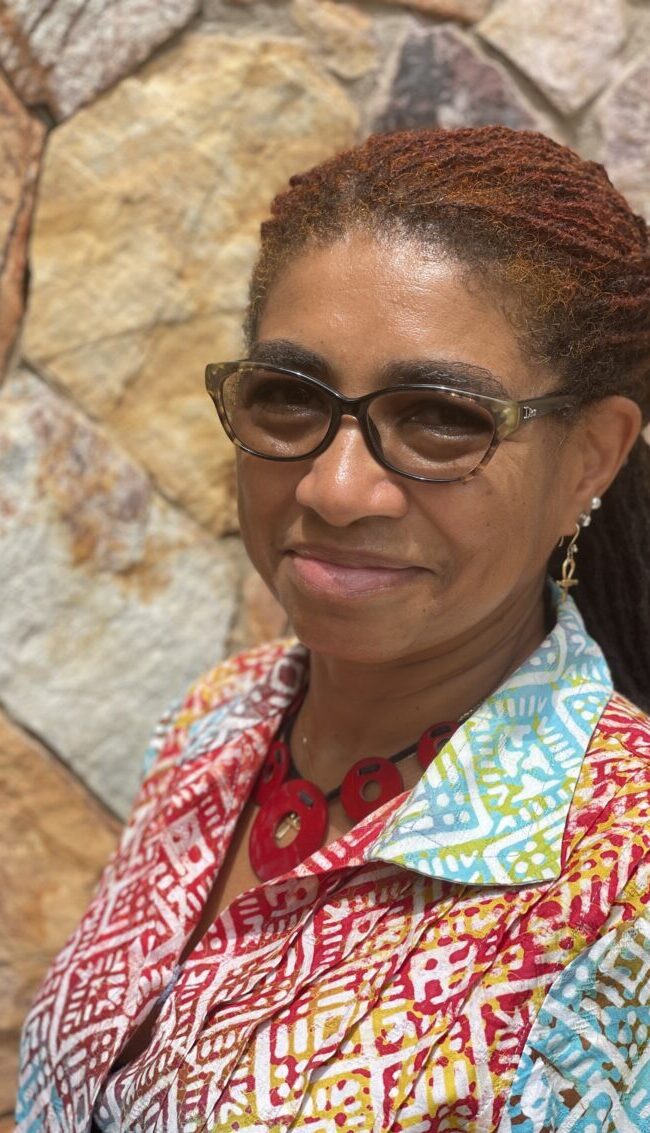








Remembering Joséphine Soliman is more than an act of historical justice
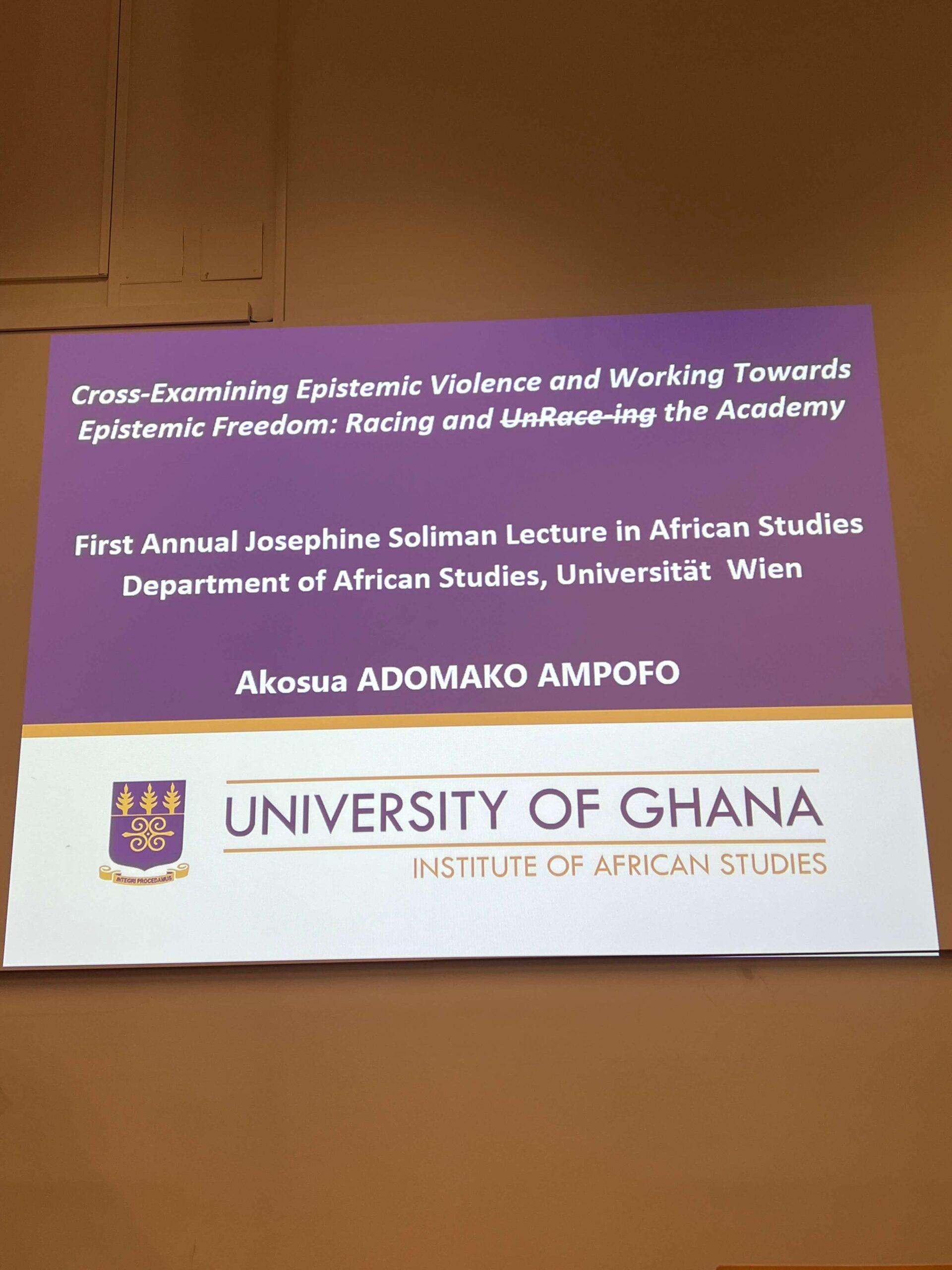


Yesterday, our publisher, simon INOU, had the honor of delivering a short address as founder of the Josephine Soliman Gesellschaft at the inaugural Josephine Soliman Lecture hosted by the Department of African Studies at the University of Vienna. The Josephine Soliman Lecture in African Studies is an annual lecture series dedicated to exploring African history, politics, knowledge production, and decolonization.
Ladies and Gentlemen, dear friends
I would first like to thank the organizers of this unique event here at the Institute. Thank you for taking the time to develop such a vision and, above all, to bring it to life during a time of budgetary constraints at the University of Vienna.
Thank you also for inviting Professor Akosua Adomako for this very first edition. Dear Professor Adomako, a warm welcome to you. From the mother continent you are bringing both the warmth of your homeland and a wealth of intellectual insight we so desperately need in a Europe which—through the emergence and normalization of far-right ideas—has grown cold over the past two decades.
I would like to take this opportunity to pay tribute to the Research Group on Black Austrian History and Present (Recherchegruppe zu Schwarzer österreichischer Geschichte und Gegenwart). This group was formed within the framework of the project „Verborgene Geschichte/n – remapping Mozart“ during the Mozart year in 2006, when the 250th anniversary of the composer was extensively and culturally celebrated across Salzburg and Vienna.
The goal of this research group within the PAMOJA Movement of the Young African Diaspora in Austria — composed of Claudia Unterweger, Belinda Kazeem-Kaminski, Njideka Stephanie Iroh, Araba Johnston-Arthur, Dominic Mariochokwu Gilbert (also known as ITEM seven) — was to challenge invisibility and forge new paths in Austrian historiography, combining this with the self-determined visibility and voice of Black Austrian experiences and contemporary realities.
This is how I came to know Joséphine Soliman. As an important figure in our shared history, she is considered one of the first, if not the very first, women to openly resist structural racism in the Habsburg Monarchy. Despite this, and although the Research Group on Black Austrian History has petitioned for a street to be named after Joséphine Soliman here in Vienna, to this day there is still no street, statue, or public memorial bearing her name.
This is one of the reasons why my team from the Black Austrian Awards and I decided to help restore the Soliman family’s rightful place in Austria’s collective memory. The Angelo Soliman Black Austrian Awards—established 2018 by our magazine, fresh—celebrate and honor the remarkable contributions of Black individuals, collectives, organizations, and initiatives to our communities within the austrian society.
As part of our ongoing fight against racism in this country, we have chosen to place the history of anti-racist resistance at the heart of our work. This is why we launched the Josephine Soliman Society (Josephine Soliman Gesellschaft) in 2024 and since this year, have been producing a radio programme and podcast entitled Josephine – Antirassismus im Radio, broadcast on Austrian community radios across Vienna, Graz, Salzburg, Enns Valley in Styria and various podcast platforms such as Spotify or Apple Podcast. This podcast also gives us the opportunity to visit Austrian secondary schools to exchange with students about a remarkable woman whose life and struggle continue to inspire us 225 years after her passing.
Remembering figures like Joséphine Soliman is more than an act of historical justice. It is essential for confronting systemic racism today, especially within academia. By reclaiming overlooked histories, honoring resistance, and educating future generations, we strengthen equality, inclusion, and social cohesion. The fight against structural racism and far-right normalization demands collective action, accountability, and a shared commitment to building an open and inclusive equal society.
Thank you, simon INOU